|
ABOUT CALVARY
|
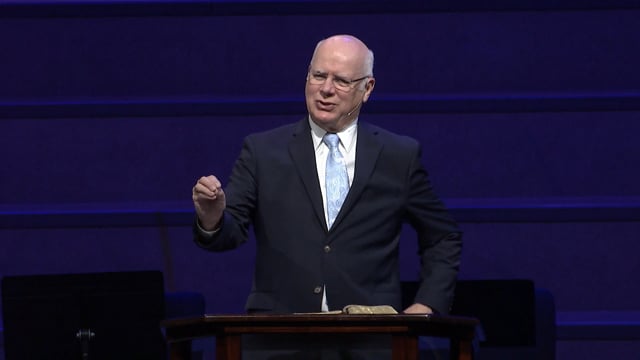
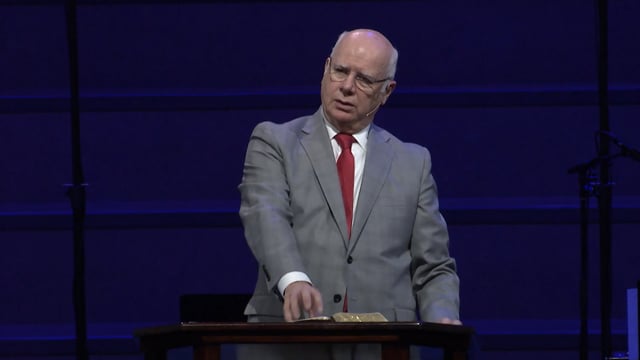
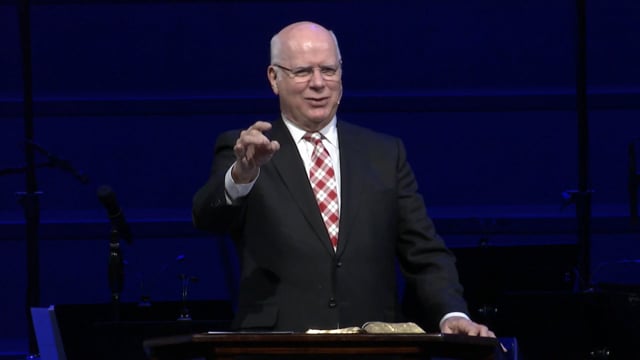
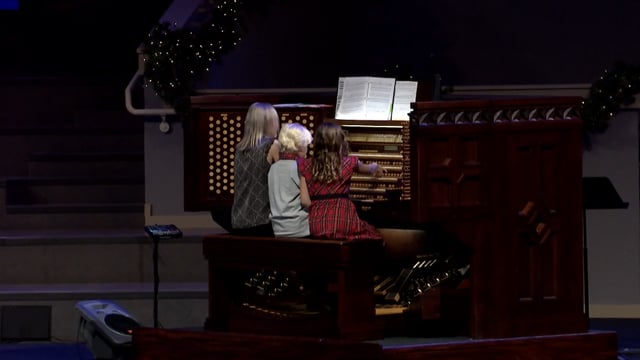
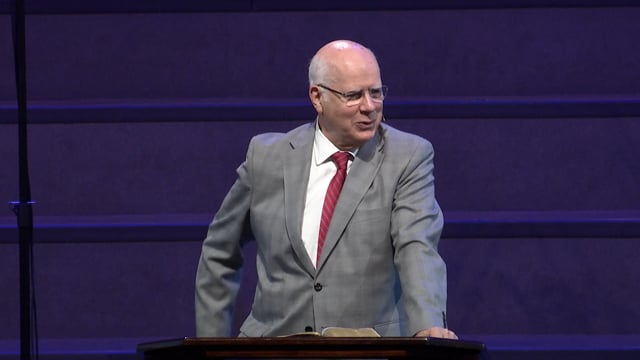
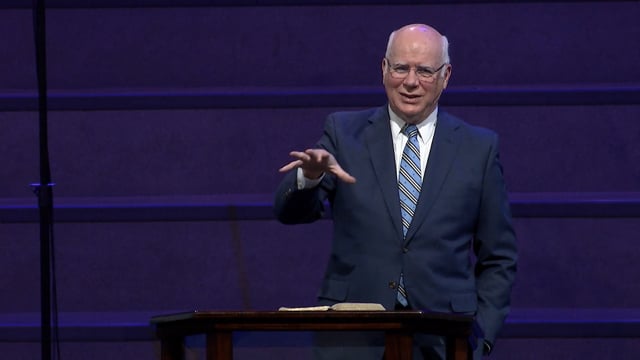
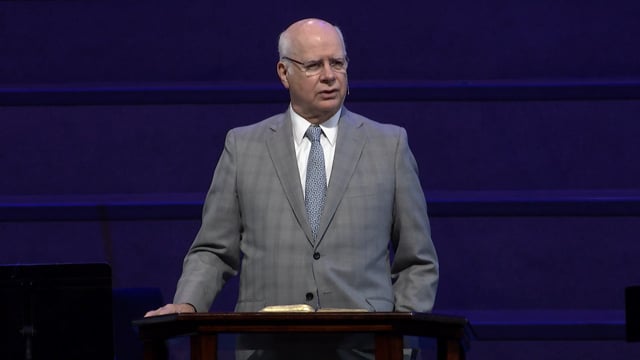
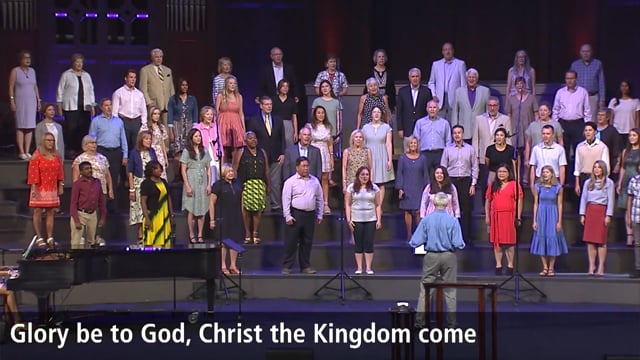
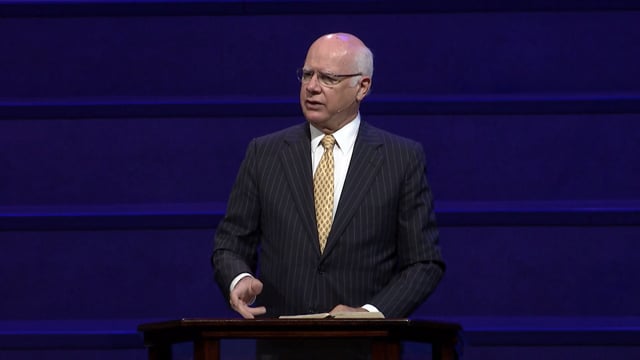
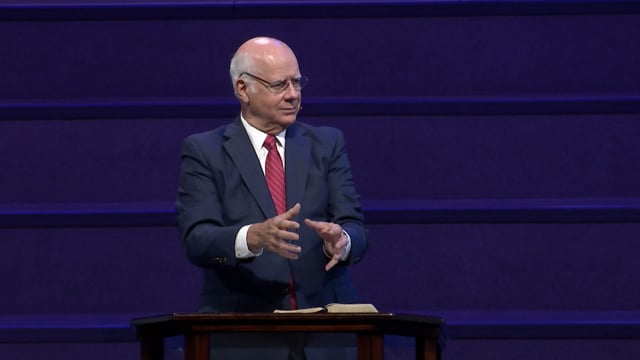
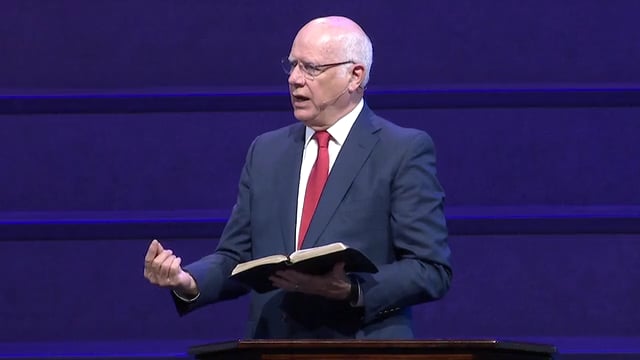
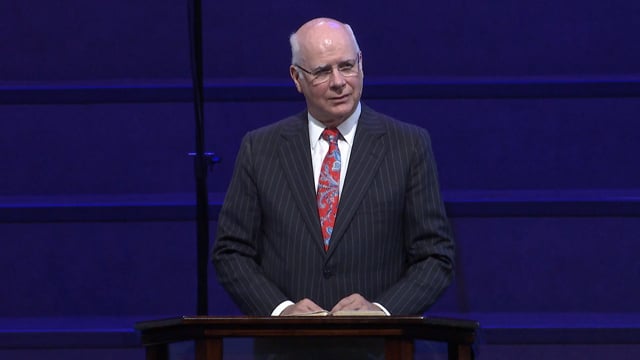
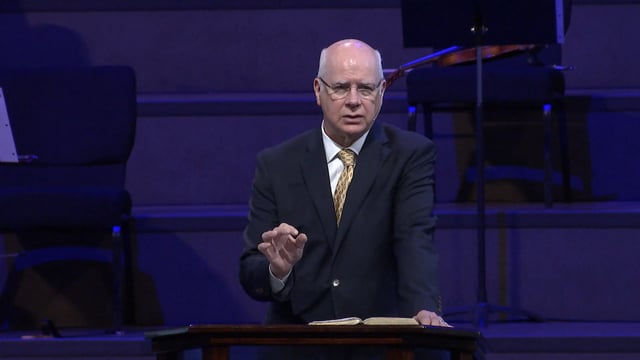
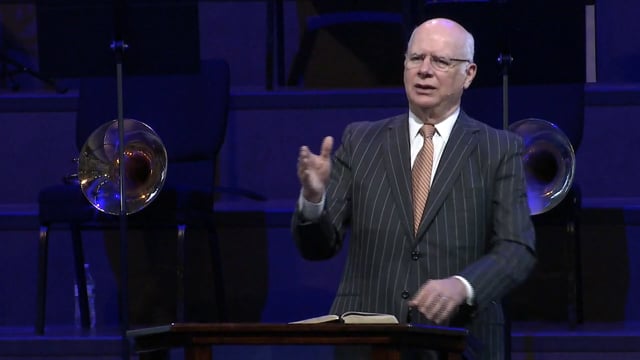
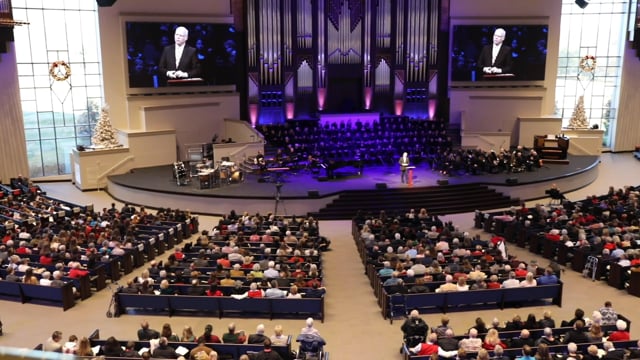
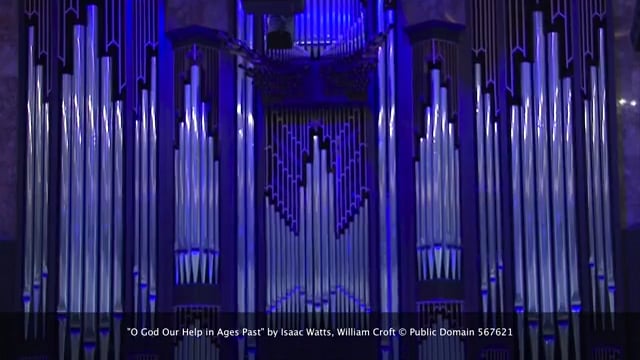
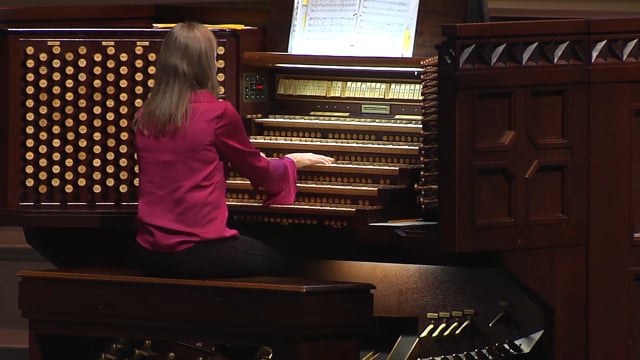
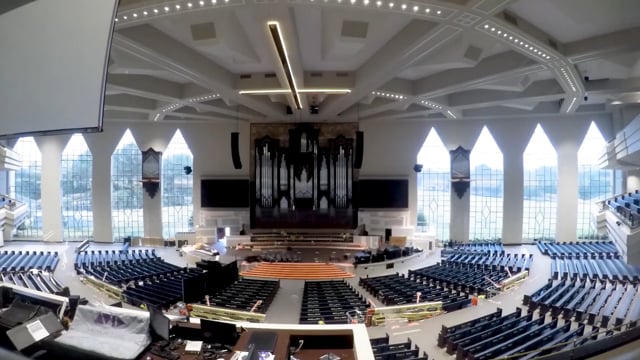
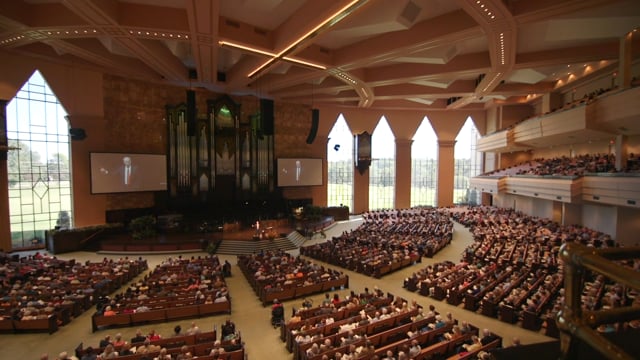
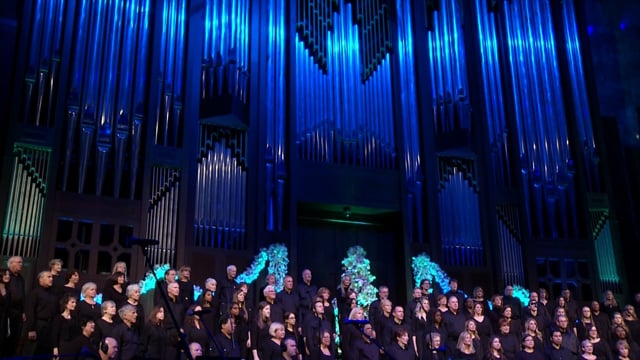
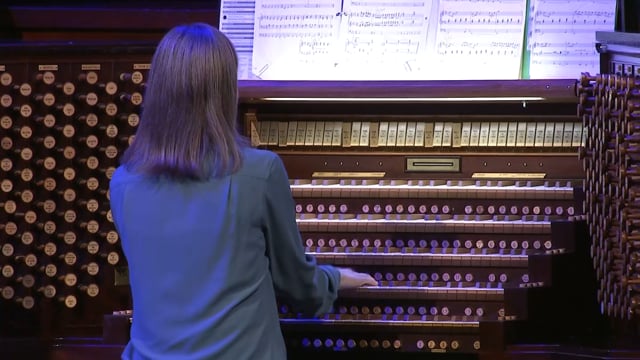
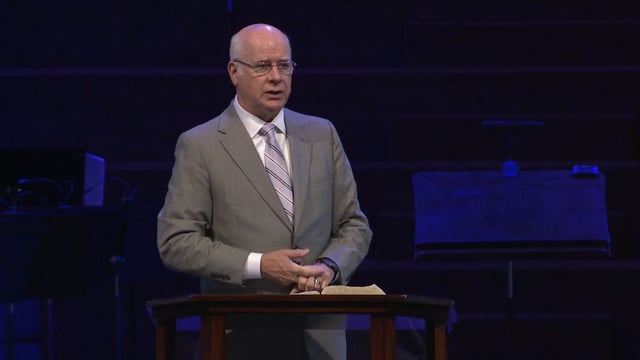
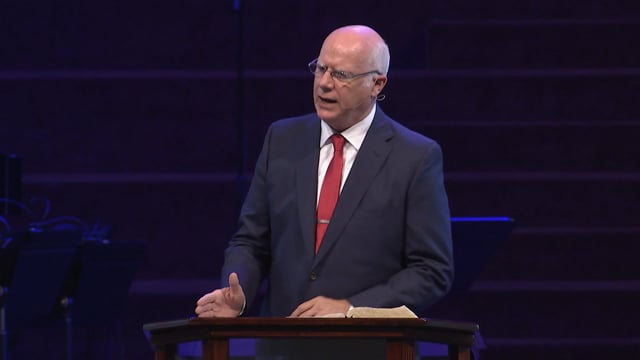
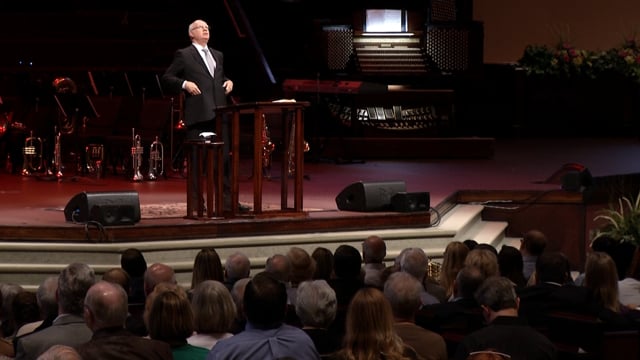
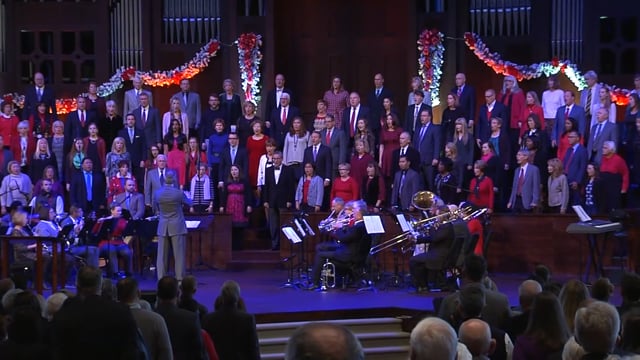
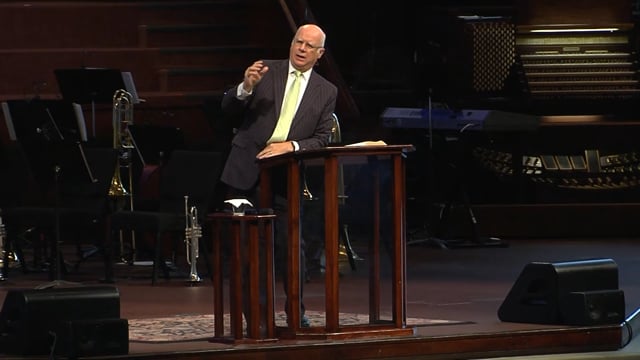
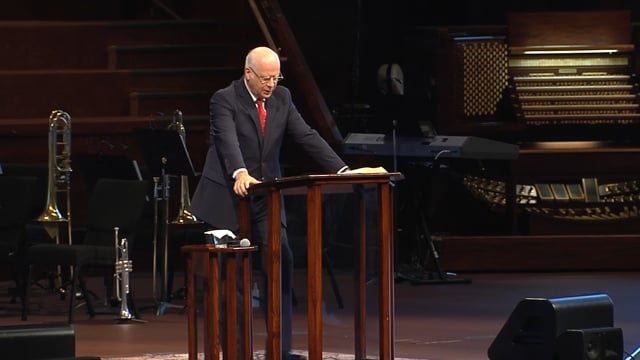
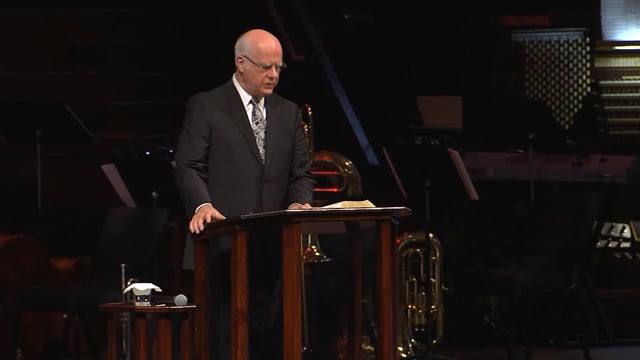
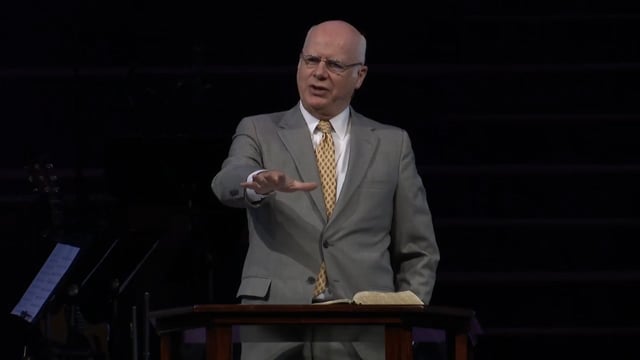
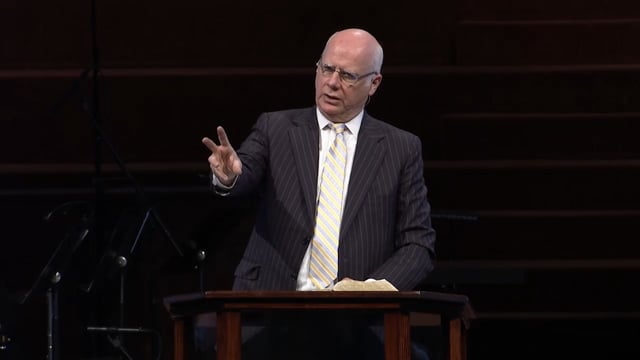
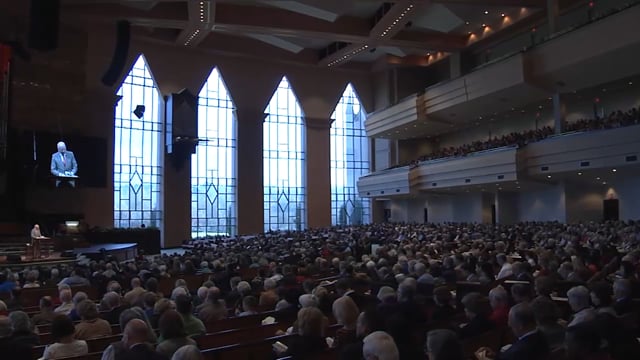
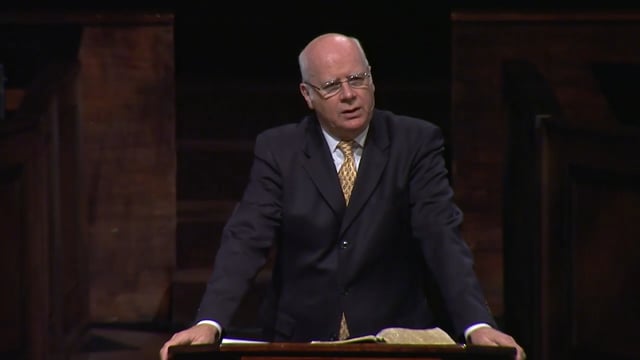
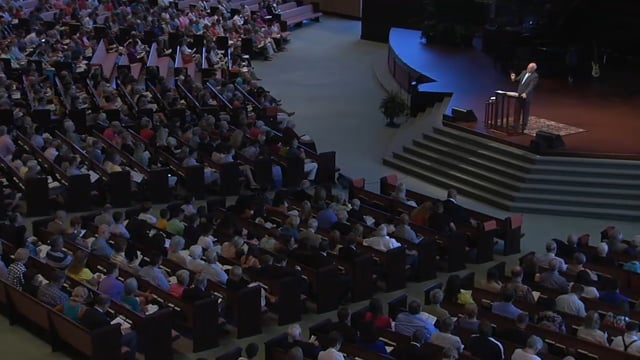
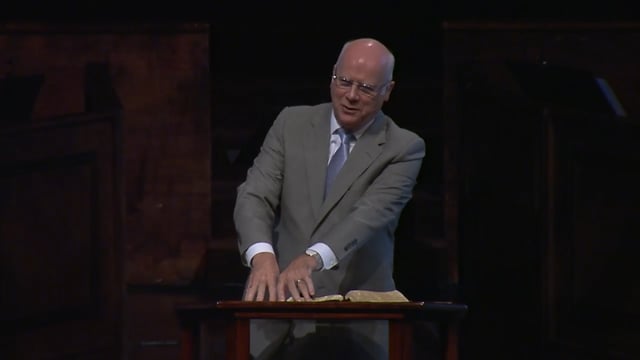
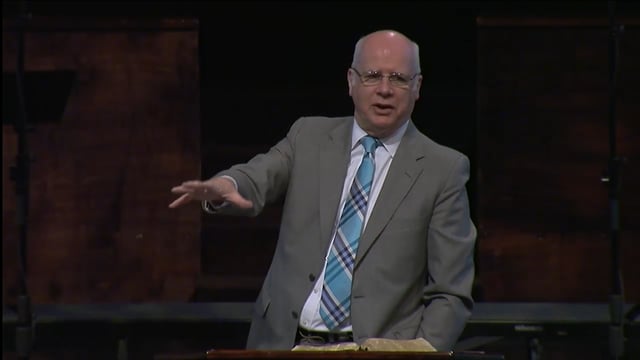
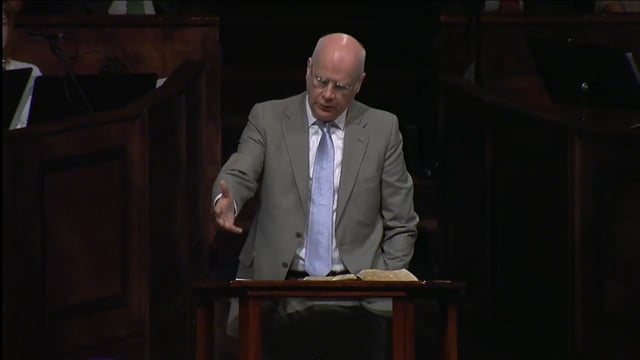
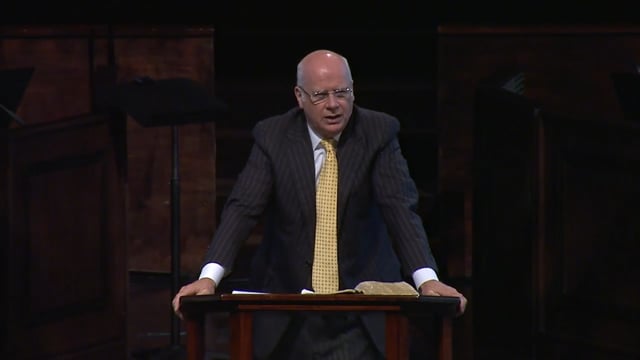
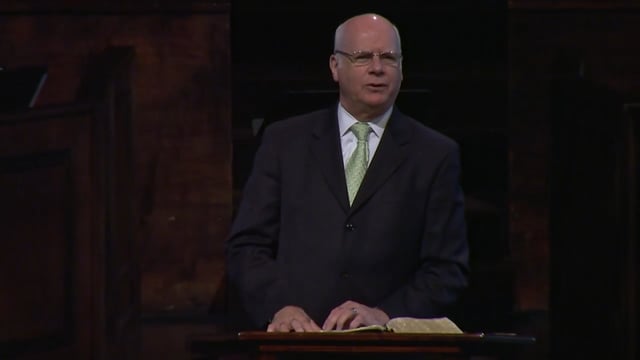
Our History A synopsis of the history of Calvary Church Forging the foundation A founding elder Many famous preachers such as Dr. J. Oliver Buswell, Dr. Allan MacRae, Dr. Jack Murray, and Dr. Harry A. Ironside made a stop at the church. These men were on the cutting edge of the battle for the Bible in the face of dominant theological liberalism. Billy Graham, and the Wilson brothers, T.W. and Grady, preached some of their first sermons from the Fourth Street pulpit. When Pastor Dillard resigned in 1946, Lon Hitchcock briefly became the pastor. Between 1948 and 1958 the ministry of Calvary prospered under the leadership of Dr. L. Pointdexter ("Dexter") McClenny. Commitment to teens In 1958, Dr. McClenny was called to be pastor of College Church in Wheaton, Illinois. As 1960 dawned, Dr. J. Allen Blair assumed the pastorate at Calvary Presbyterian Church. Simultaneous with the change in pastors was the construction of an education building to handle the growing needs of families. An evangelistic preacher with a successful radio ministry, Dr. Blair placed heavy emphasis on the foreign missionary outreach of Calvary Church. Due to the demands of his radio and Bible Conference ministry, Dr. Blair resigned in 1966. Students became main emphasis Waking the sleeping giant In February 1973, Ross commenced his pastorate at Calvary Church. Billy Graham was keynoter for the installation services. "Charlotte needs Calvary Church," Billy said, "and Calvary Church needs Ross Rhoads." In 1974 the church had 400 members. Within two years an all-purpose building had been erected at Sardis and Randolph. In 1975, the church moved into its temporary home, which could accommodate 600. Within three years the church had exploded to 2,000. In 1977, the first "Singles Again Ministry" in Charlotte was begun. During the next 15 years, over 100 couples were married out of this group. A sanctuary seating 1,500 was erected and dedicated in 1978. In 1981 the Family Life Center was built in a vain attempt to keep up with expansive growth. By 1982 there were four services filled to capacity. A larger congregation A text, which was prominently displayed in the Fourth Street Church, was likewise displayed in the foyer of the new church. The text read: "For the Word of God and the testimony of Jesus Christ," and it has become a golden thread wending its way through the years of Calvary Church. The taught Word and the evangelistic witness are the twin pillars of Calvary Church. The taught Word and the evangelistic witnessAgain, it was the church's favorite son, Billy Graham, who challenged his home church. At the dedication of the Sardis Road sanctuary he said: "I am convinced that this church has grown because of its evangelistic and missionary outreach." As evangelism thrived, so did the congregation at Calvary Church. By 1984 even with a 1,500-seat sanctuary, four services were required to contain the crowds. A plan was developed to build a 5,000-seat worship center. This met with neighborhood opposition, and the city council blocked the building of such a large church. A step of faith A major feature of the new building is the massive Möller pipe organ. Dedicated in 1990, it contains 205 ranks, 11,499 pipes, and is one of the largest pipe organs in the world. In 1992, the church faced a financial crisis. The Lord once again supernaturally provided. The congregation also rallied to the challenge that they could not only survive, but also impact the metropolis of Charlotte and the ends of the earth. As residential areas sprang up along the Highway 51 corridor, new strategies of evangelism were formed to reach the neighbors of Calvary Church. In 1995, twenty-one years after he began, Dr. Ross Rhoads resigned as senior pastor. Soon, he was swept up into the multiplied ministries of the Billy Graham Evangelistic Association. His protege, Franklin Graham, was chosen to be chairman of the Association in addition to the compelling ministry of Samaritan's Purse. Being the church Over the next seven years, under Dr. Wagner's leadership, Calvary Church reached out to Charlotte's ethnically and racially diverse population, establishing a Spanish congregation of nearly 300 members, as well as smaller Asian-Indian and Korean ministries. Dr. Wagner left Calvary in September 2004 to pursue other ministry opportunities. A preacher of grace and a shepherd of souls John Munro came to Charlotte from Kalamazoo, Michigan where he had served as Senior Pastor of Calvary Bible Church for ten years. Prior to his pastorate in Kalamazoo, he served congregations in Pittsburgh, PA and Nova Scotia, Canada. In accepting the call, Dr. Munro described himself as a "preacher of grace" and "shepherd of souls." When he commenced his ministry at Calvary Church Dr. Munro emphasized three important themes: unity, stability, and clarity of direction. He preached and taught on these themes and began to build a pastoral team sharing the vision and mission of Calvary Church. A visible demonstration of this unity was the commencement of one united Sunday morning worship service in June 2007. Imagine 2008, a new phase of Calvary's capital campaign, was launched in March 2007. At that time the outstanding mortgage over the facilities amounted to $4 million. The congregation enthusiastically agreed that in God's grace this debt would be reduced to zero by December 2008. 2008 Themes Positioned for the future |
||||
|
Font Size: A A | Printer friendly page | Email to a friend
|
|||||